Top 15 Online Marketing Tools of 2026: Innovating Your Strategy in the Digital Landscape

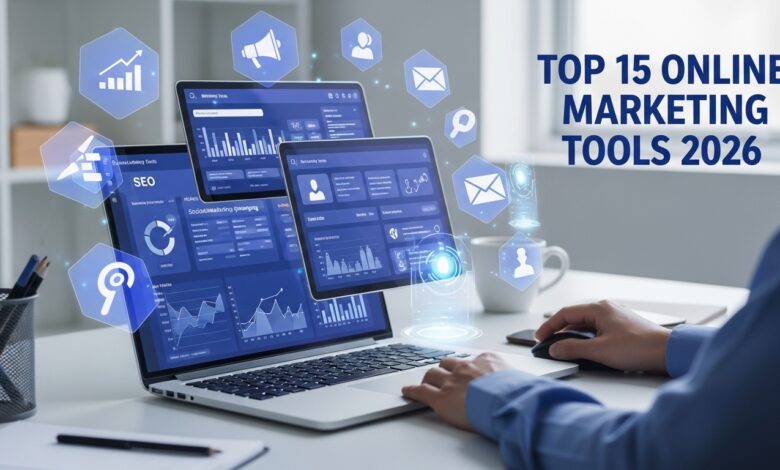
The digital marketing realm is ever-evolving, with new tools emerging regularly to streamline and enhance the marketing workflow. As we look ahead into 2026, it’s clear that the integration of advanced technology, data analytics, and AI-driven solutions will become even more pivotal for marketers aiming to succeed in a highly competitive environment. This article delves into the top 15 online marketing tools that will redefine marketing strategies in 2026, helping professionals engage audiences and drive results effectively.
1. HubSpot
HubSpot remains a titan in the marketing automation landscape. Known for its comprehensive CRM, email marketing, and content management capabilities, HubSpot’s AI features in 2026 will further personalize customer experiences. Enhanced segmentation and predictive analytics will allow marketers to tailor campaigns with unprecedented precision.
2. Google Analytics 5
The latest iteration of Google Analytics provides deeper insights into user behavior and enhances conversion tracking. With the integration of AI, marketers can leverage predictive analytics to forecast trends and customer journeys, making data-driven decisions more seamless than ever.
3. Canva Pro
As visual content continues to dominate the online landscape, Canva Pro will remain essential. By 2026, Canva’s enhanced collaboration tools and AI-powered design suggestions will help teams create stunning visuals quickly, ensuring brands can maintain a strong online presence without extensive graphic design knowledge.
4. Hootsuite
In 2026, Hootsuite leads the pack in social media management with advanced AI capabilities that allow marketers to optimize posting times, tailor content to specific audiences, and analyze performance across platforms in real-time, streamlining social strategy execution.
5. Mailchimp 2.0
Mailchimp has long been a staple for email marketing, but the 2026 version integrates AI to refine audience targeting and optimize subject lines automatically. With extensive automation features, marketers can create personalized email campaigns that resonate with users at every stage of the customer journey.
6. SEMrush
SEMrush will continue to be an indispensable SEO tool in 2026. Its advanced keyword research capabilities, competitor analysis, and site audits will be enhanced with machine learning algorithms, giving marketers deeper insights into ranking trends and SEO strategies that drive organic traffic.
7. Zapier
As a leading integration platform, Zapier simplifies the automation of workflows across different tools. In 2026, its expanded library of integrations and improved user interface will empower marketers to connect disparate apps, automating mundane tasks and allowing for more focus on strategic initiatives.
8. Buffer
Buffer’s user-friendly interface makes social media scheduling easy. By 2026, it will incorporate AI-driven content recommendations to suggest optimal posting schedules and types of content based on past performance, simplifying social media strategy development.
9. Ahrefs
Ahrefs remains a premier SEO tool that provides comprehensive backlink analysis, keyword research, and competitor insights. In 2026, its enhanced data algorithms will assist marketers in developing more effective SEO campaigns that adapt to the latest search engine algorithms.
10. Shopify Plus
As e-commerce gains momentum, Shopify Plus will continue to provide advanced features for enterprise-level businesses. Integrating AI for personalized shopping experiences and robust analytics tools, Shopify Plus will enable marketers to optimize sales funnels and drive conversions seamlessly.
11. Pardot
Salesforce’s Pardot remains a powerful B2B marketing automation tool. By 2026, its capabilities in lead scoring, nurturing, and email analytics will be augmented with AI, allowing more personalized engagement with potential clients throughout the buyer’s journey.
12. Hotjar
Understanding user behavior will be crucial in 2026. Hotjar’s enhanced heatmaps, session recordings, and survey functions will help marketers gain insights into user interactions on their sites, facilitating continuous optimization of web experiences.
13. ClickFunnels
For marketers focused on conversion optimization, ClickFunnels will be a go-to tool in 2026. Improved funnel-building features, including AI-driven recommendations for upsell opportunities, will greatly enhance conversion rates and customer engagement.
14. Loomly
As visual storytelling becomes a critical component of brand identity, Loomly will stand out for its content management features. In 2026, it will offer AI-powered post suggestions and performance predictions, refining how businesses engage with their audiences.
15. Typeform
User engagement is paramount, and Typeform’s interactive forms will grow increasingly popular. By 2026, its capabilities will expand to allow for real-time analytics and intelligent branching logic, providing a more tailored customer experience and valuable data collection for marketers.
Conclusion
In 2026, the online marketing landscape will be shaped by technological advancements. As a result, marketers can work smarter, not harder.
These top 15 marketing tools use AI and analytics. Moreover, they help businesses engage their target audiences effectively.
As the digital space grows, embracing these tools becomes essential. Therefore, marketers can stay ahead and improve campaign performance.
In addition, adaptability and the right technology are crucial. Ultimately, they help brands not just survive but thrive in a competitive digital marketplace.