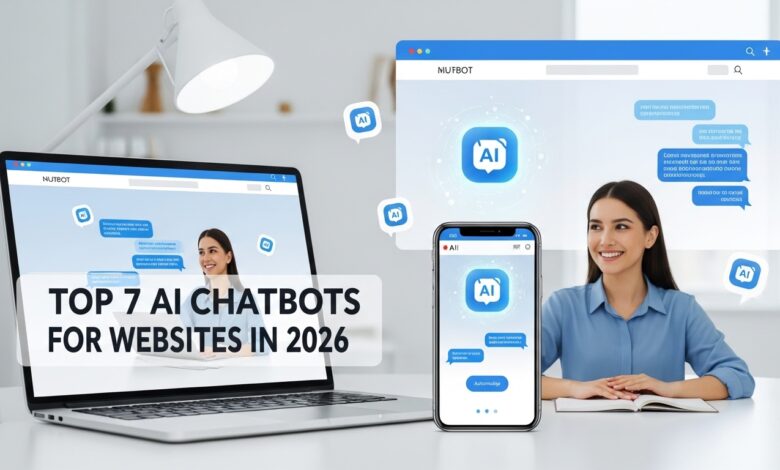
As businesses increasingly prioritize streamlined communication and enhanced customer experiences, the need for effective AI chatbots has intensified. The year 2026 has witnessed remarkable advancements in artificial intelligence, leading to the emergence of sophisticated chatbots designed to engage users, provide support, and boost conversions. Here, we explore the top seven AI chatbots that dominate the landscape, highlighting their key features and applications for websites.
1. ChatGPT Pro
Overview: Leveraging OpenAI’s latest advancements, ChatGPT Pro stands out with its superior natural language understanding and generation capabilities. This chatbot is ideally suited for businesses seeking meaningful interactions with users.
Key Features:
- Contextual Awareness: ChatGPT Pro maintains context over longer conversations, creating a seamless experience for users.
- Customizable Personality: Businesses can tailor the chatbot’s tone and style, aligning it with their brand identity.
- Multilingual Support: With capabilities across multiple languages, it serves a global audience effectively.
Use Cases: Ideal for e-commerce sites, customer support, and educational platforms needing sophisticated interaction.
2. Ada
Overview: Ada has become synonymous with automated customer service. This AI chatbot is specifically designed to enhance customer support experiences.
Key Features:
- No-Code Setup: Non-technical users can effortlessly create and customize chatbots using Ada’s intuitive interface.
- 24/7 Availability: Automates customer inquiries, ensuring assistance is available round the clock.
- Analytics Dashboard: Provides insights into chatbot interactions, enabling businesses to refine their strategies.
Use Cases: Particularly effective for retail, telecommunications, and any industry requiring swift customer support.
3. Drift
Overview: Drift is a conversational marketing platform that uses AI to facilitate real-time interactions between potential customers and sales teams.
Key Features:
- Lead Qualification: Drift qualifies leads automatically, ensuring sales teams focus on high-potential prospects.
- Integration Capabilities: Seamlessly integrates with CRM systems, enhancing workflow automation.
- Personalization: Customizes interactions based on user behavior and preferences.
Use Cases: Best suited for B2B businesses and companies looking to improve lead generation and engagement.
4. ManyChat
Overview: ManyChat is primarily recognized for its effectiveness in engaging users on social media platforms, integrating with websites to enhance user interaction.
Key Features:
- Visual Flow Builder: The drag-and-drop interface allows businesses to create engaging chat flows without coding.
- Broadcasting Capabilities: Enables users to send campaigns and updates directly to their audience through chat.
- E-commerce Integration: Supports sales through platforms like Shopify, driving conversions directly from chat interactions.
Use Cases: Effective for small businesses and marketers looking to connect with users on platforms like Facebook and Instagram.
5. Zendesk Chat
Overview: Part of the Zendesk ecosystem, Zendesk Chat offers robust customer service features tailored for businesses of all sizes.
Key Features:
- Unified Customer View: Integrates with Zendesk’s suite of customer service tools, providing comprehensive insights on user interactions.
- Canned Responses: Saves time with pre-written responses to frequently asked questions.
- Mobile Accessibility: Ensures customer support is accessible on any device.
Use Cases: Ideal for companies seeking an integrated approach to customer service across multiple channels.
6. Tidio
Overview: Tidio combines live chat and chatbots to provide timely support while offering ease of use for small and medium-sized businesses.
Key Features:
- AI-Powered Responses: Offers automated answers to common customer questions while enabling a smooth transition to human agents when necessary.
- Shopify Integration: Perfect for e-commerce sites, Tidio integrates seamlessly with online stores, enhancing customer experience.
- Customizable Layouts: Users can personalize the appearance to match their brand aesthetics.
Use Cases: Particularly beneficial for small e-commerce stores, service businesses, and startups needing cost-effective support solutions.
7. Intercom
Overview: Intercom has established itself as an industry leader in providing customer messaging platforms that enhance user engagement through AI chatbots.
Key Features:
- Robust Integration Options: Works well with various third-party applications, allowing for greater customization and utility.
- Rich User Profiles: Utilizes data-driven insights to personalize interactions, engaging users based on their history and preferences.
- Automated Workflows: Supports automation for common tasks, freeing up human agents for more complex inquiries.
Use Cases: Ideal for SaaS companies and businesses seeking to build lasting customer relationships through proactive engagement.
Conclusion
The advancements in AI technology in 2026 have paved the way for innovative chatbot solutions that not only enhance user experience but also improve operational efficiency for businesses. By investing in the right chatbot, organizations can significantly streamline support operations, engage users effectively, and drive sales.
When selecting a chatbot for your website, consider factors such as ease of use, integration capabilities, and the specific needs of your business. Whether you require sophisticated AI like ChatGPT Pro for complex interactions or a straightforward solution like Tidio for quick responses, the right chatbot can revolutionize your customer engagement strategy in 2026 and beyond.